November 4, 2026
Why Certified Roof Inspectors Uncover Hidden Vulnerability
By @felixkdkw263
Your roof is your home's first line of defense, yet it is also the part of the house most people never see up close. From the ground, a roof can look perfectly fine while moisture, weakened materials, and failing components quietly cause damage underneath. For homeowners and property owners in Logan, where winters bring snow load and freeze-thaw cycles and summers bring intense sun, UV exposure, and the occasional severe storm, a professional inspection by a certified roof inspector is one of the smartest ways to protect your investment in 2026.
What Makes a Certified Roof Inspector Different?
Anyone can climb a ladder and look around, but a certified inspector brings formal training, standardized methods, and specialized tools to the job. Certification programs, such as those offered through industry organizations and manufacturer-backed training, teach inspectors how roofing systems are built, how they fail, and how to document problems in a way that is useful for repairs, insurance claims, and real estate transactions.
A certified inspector is trained to look at the roof as a complete system rather than a collection of shingles. That includes the roof covering, underlayment, decking, flashing, ventilation, drainage, and the attic space below. Many problems begin in one area and show symptoms in another, so connecting those dots is a major part of the value an inspector provides.
Common Hidden Vulnerabilities Inspectors Find
Some of the most expensive roofing problems are the ones that stay out of sight. Here are the hidden issues that certified inspectors routinely identify:
- Failing flashing: Metal flashing around chimneys, skylights, vents, and wall intersections can rust, lift, or separate from sealant. Small gaps allow water to creep in for months before a stain appears on a ceiling.
- Deteriorating underlayment: The protective layer beneath shingles can crack or degrade with age and heat, leaving the roof deck exposed if the top layer is breached.
- Soft or rotted decking: Chronic moisture weakens plywood or OSB sheathing. Inspectors can detect spongy spots by feel, by looking for sagging, and by checking the underside from the attic.
- Poor attic ventilation: Inadequate intake or exhaust airflow traps heat and humidity, which can warp sheathing, promote mold, shorten shingle life, and contribute to ice dams in cold weather.
- Granule loss and shingle aging: Bare patches, curling, and cracking signal that shingles are reaching the end of their service life, even if no leaks have appeared yet.
- Hail and wind damage: Impact bruising and lifted or creased shingles are often subtle and easy to miss without a trained eye.
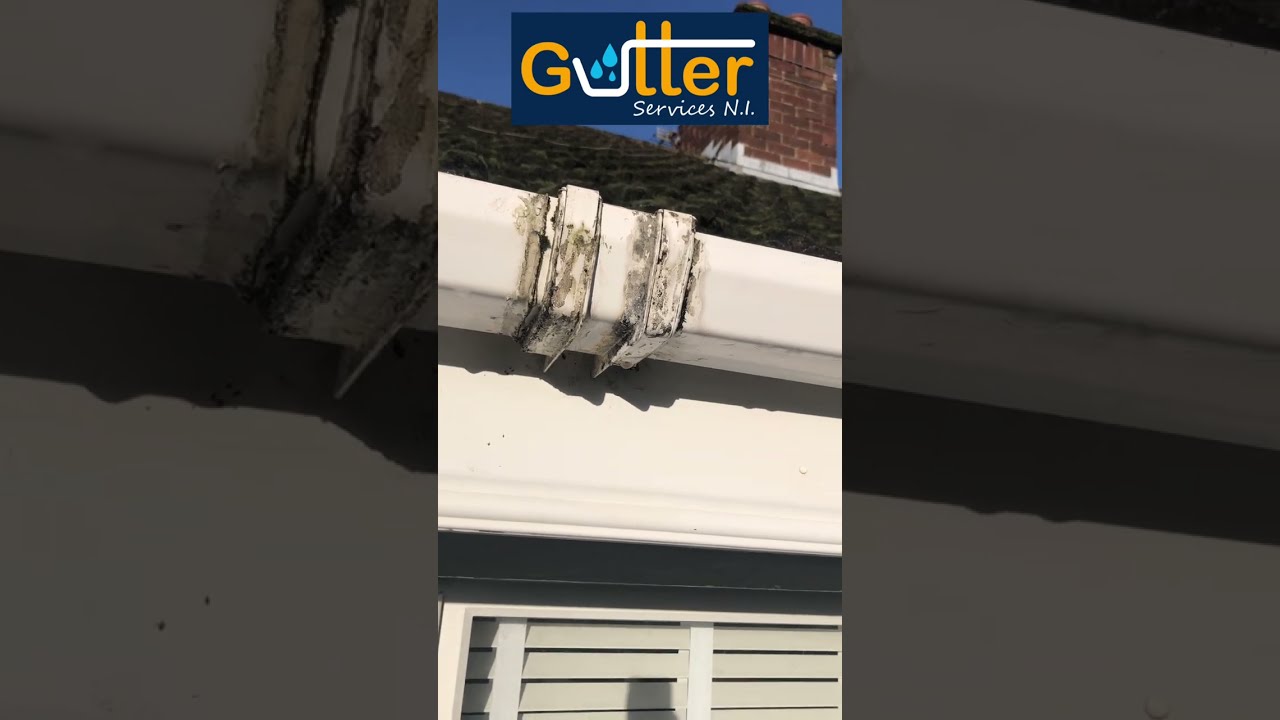
- Clogged or poorly pitched drainage: Gutters and downspouts that do not move water away from the roof edge and foundation can cause fascia rot and backed-up water.
- Improper past repairs: Patches made with excess roofing cement, mismatched materials, or incorrect nailing often hide larger problems.
The Tools and Techniques Behind a Thorough Inspection
Visual and Hands-On Assessment
A careful inspection starts with a walk-through of the property, including the exterior, gutters, fascia, soffits, and the roof surface itself. Inspectors check shingle condition, fastener placement, sealant integrity, and the alignment of every penetration. Where it is safe, they walk the roof to feel for soft spots and examine details up close.
Attic and Interior Review
Some of the clearest evidence of roof trouble is found inside. Inspectors look for darkened decking, rusted nail tips, damp insulation, daylight showing through boards, and signs of condensation. Ceiling stains, peeling paint, and musty odors also help pinpoint where water is entering.
Modern Technology
In 2026, many inspectors use drones to safely capture high-resolution images of steep, tall, or fragile roofs without adding foot traffic. Moisture meters and infrared thermal imaging cameras can reveal wet insulation or trapped moisture that is invisible to the naked eye. These tools do not replace experience, but they give inspectors more data and produce clearer documentation.
Why Local Conditions in Logan Matter
Roofs in Logan face a demanding mix of weather. Heavy winter snow adds weight and can lead to ice dams when heat escapes through the attic and melts snow unevenly. Repeated freezing and thawing expands small cracks and loosens sealants. In summer, strong sun and high temperatures accelerate shingle aging, while windstorms and hail can strike with little warning.
A local certified inspector understands these patterns and knows which problems tend to show up in the area. They can evaluate whether your roof's ventilation, insulation, and materials are suited to local conditions, and they can recommend practical improvements rather than generic fixes. It is also wise to confirm that any inspector or contractor you hire follows current local building codes and permitting requirements.
Benefits of Catching Problems Early
Roof issues rarely stay small. A minor flashing gap can lead to rotted framing, damaged insulation, mold growth, and interior water damage. Addressing it early is typically a modest repair, while ignoring it can mean a partial or full replacement and expensive interior restoration.
Regular inspections also help you plan and budget. Knowing that your roof has five more good years, or that it will need replacement within two, lets you schedule work on your terms instead of reacting to an emergency. Documented inspection reports can also support insurance claims, strengthen your position during a home sale, and help preserve manufacturer warranties that require proof of maintenance.
When You Should Schedule an Inspection
Most professionals recommend having your roof inspected at least once a year, and ideally in both spring and fall if your roof is older. You should also book an inspection in these situations:
- After a major hailstorm, windstorm, or heavy snow event.
- Before buying or selling a home.
- When your roof is approaching 15 to 20 years old, depending on the material.
- If you notice stains, drafts, higher energy bills, missing shingles, or granules collecting in your gutters.
- Before starting a solar panel installation or other work that involves roof penetrations.
How to Choose a Certified Roof Inspector in Logan
Not all inspectors offer the same level of expertise, so it pays to ask the right questions. Look for the following:
- Verifiable certifications and training credentials.
- Proof of liability insurance and workers' compensation coverage.
- Clear, written reports with photos and specific recommendations.
- Independence from sales pressure. An inspector who also sells repairs should still provide an honest, itemized assessment you can compare with other bids.
- Local references and reviews from other Logan property owners.
Be cautious of anyone who knocks on your door after a storm offering a free inspection and pushes for an immediate contract. A reputable inspector will explain findings clearly, answer your questions, and give you time to make a decision.

What to Expect From the Inspection Report
A quality report should describe the roof's overall condition, estimated remaining lifespan, and any active or potential problems. It should include photographs, notes on materials and ventilation, and a prioritized list of recommended actions, separating urgent repairs from routine maintenance. Keep this report in your home records. Over time, a series of reports creates a valuable history of your roof's performance.
Final Thoughts
Hidden roof vulnerabilities are costly precisely because they go unnoticed until real damage https://arthurcjld399.solsticebrief.com/posts/roof-coatings-vs-replacement-when-each-option-makes-sense has occurred. A certified roof inspector combines training, tools, and local knowledge to find these issues early, explain your options, and help you protect your home or property. If it has been more than a year since your roof was last examined, or if recent weather has you concerned, scheduling an inspection with a qualified professional in Logan is a practical step toward avoiding unexpected repairs in 2027 and beyond.
Logan Roofing Experts
Unit 2/169 Queens Rd, Kingston QLD 4114
(07) 3179 6988
❧